
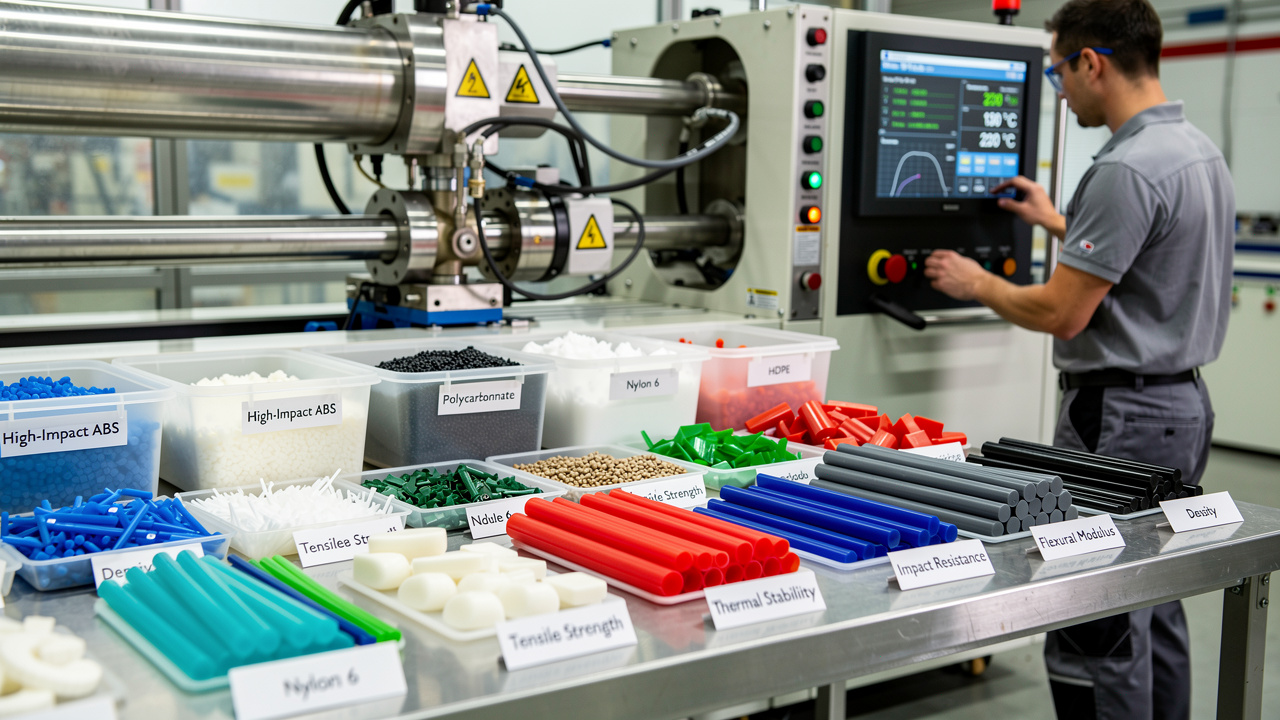
Master Plastic Physical Properties for Effective Material Selection
Introduction
Choosing the right plastic material is crucial for project success, and our expertise in custom plastic extrusion can guide you through this complex process. A myriad of physical properties influences performance, making material selection a complex challenge for professionals. Navigating these complexities can lead to costly mistakes - how can you ensure optimal outcomes in your extrusion processes? Let’s explore the fundamental physical properties of plastics to empower you in making informed choices tailored to your specific applications.
Explore the Fundamentals of Plastic Physical Properties
Selecting the right material for extrusion is not just important; it's a critical factor that can determine the success of your project. Yet, many professionals struggle to navigate the complexities of material selection, often leading to suboptimal choices that affect performance. Key physical properties of plastics significantly influence their performance in extrusion processes:
- Density: This property impacts both the weight and strength of the plastic. Lower density substances are frequently preferred for lightweight applications, enabling easier handling and installation.
- Tensile Strength: Defined as the maximum stress a substance can withstand while being stretched or pulled before failure, tensile strength is crucial for ensuring that extruded items endure operational stresses without compromising integrity. A thorough comprehension of tensile strength is crucial for effective selection of substances, as it directly influences product performance and durability.
- Flexural Modulus: This measures the stiffness of a substance when subjected to bending. A greater modulus signifies a more rigid substance, which is crucial for structural uses where stiffness is necessary.
- Impact Resistance: This characteristic indicates a material's ability to absorb sudden forces without breaking, making it vital for products that may encounter impacts during use. For example, in farming applications, substances with high impact resistance are essential for parts such as irrigation pipes, which must endure environmental stresses.
- Thermal Properties: These include the melting point, glass transition temperature, and thermal conductivity, dictating how a plastic behaves under varying temperature conditions.
Understanding these plastic physical properties is crucial for selecting the right material for your specific extrusion needs, ensuring optimal performance and longevity in practical applications. Lincoln Plastics specializes in custom extrusion solutions, offering tailored profiles and co-extrusion capabilities that enable multi-color or multi-material profiles. Choosing the right resources is key to ensuring your project's success, and professional guidance can aid in managing these complexities. Choosing the right material isn't just a decision; it's a strategic move that can significantly impact your project's success and longevity.

Classify Plastics by Their Physical Properties
Choosing the right plastic type is crucial for project success, yet many struggle with this decision. Plastics can be categorized based on their physical properties, each serving distinct roles in various applications:
- Thermoplastics: These materials are versatile and easy to process, making them ideal for extrusion. Common examples include Polyethylene (PE), Polypropylene (PP), and Polyvinyl Chloride (PVC). Industries like agriculture and office management rely heavily on these materials. At Lincoln Plastics, we offer a variety of thermoplastic profiles that ensure timely delivery and reliability for OEMs. Our robust quality system includes dedicated quality books and in-process checks to guarantee that every product meets stringent specifications. Furthermore, our co-extrusion abilities enable the combination of various colors and substances into a single profile, enhancing customization options to meet specific Pantone requirements.
- Thermosetting Materials: Unlike thermoplastics, thermosetting materials experience a chemical transformation when heated, leading to a rigid structure that cannot be reshaped. Examples such as epoxy and phenolic resins are preferred in contexts requiring high strength and thermal stability, like in construction and automotive components. The thermosetting plastics market is expected to attain USD 151.9 billion by 2026, with the construction segment forecasted to represent about 45% of the revenue share owing to increasing demand for long-lasting substances.
- Elastomers: These rubber-like substances can stretch significantly and return to their original shape, making them perfect for applications requiring flexibility and resilience, such as seals and gaskets. Their distinctive characteristics, particularly the plastic physical properties, are crucial in multiple OEM uses, especially in automotive and industrial environments. Lincoln Plastics' expertise in custom flexible profiles ensures that these materials meet the specific needs of clients, supported by our rigorous quality checks, including the use of check gauges for fit and function.
- Engineering Materials: Designed for high-performance applications, engineering materials showcase outstanding plastic physical properties along with excellent mechanical and thermal properties. Materials like Nylon and Polycarbonate are often employed in demanding settings, including medical devices and electronic uses. Recent advancements in engineering materials have improved their performance, making them suitable for a broader range of extrusion applications. Lincoln Plastics is ISO 9001:2015 certified, reflecting our commitment to quality through rigorous management plans, including dedicated quality books and in-process checks.
By mastering these distinctions, you can elevate your project’s success. For tailored solutions and expert guidance, OEM purchasing managers are encouraged to contact Lincoln Plastics.

Apply Knowledge of Plastic Properties in Extrusion Manufacturing
In the fiercely competitive realm of custom extrusion, understanding plastic physical properties is crucial for success. When applying knowledge of plastic properties in extrusion manufacturing, consider the following steps:
- Material Selection: Choose a plastic that meets the mechanical and thermal requirements of the application. For instance, high-impact polystyrene is ideal for products requiring durability and resistance to breakage.
- Processing Conditions: Modify extrusion settings like temperature and pressure based on the characteristics of the chosen substance. Thermoplastics necessitate specific melting temperatures to ensure proper flow through the die; improper settings can lead to defects and inefficiencies.
- Design Considerations: Incorporate the characteristics of the substance into the design of the extruded profile. If flexibility is essential, opt for a material with a lower flexural modulus to achieve the desired performance.
- Standards Oversight: Implement strong standards oversight measures to monitor the characteristics of the extruded item. Testing for tensile strength and impact resistance is essential to ensure that the final product meets specifications. What happens when production halts unexpectedly? Statistics suggest that unforeseen shutdowns in plastic extrusion can result in considerable losses in efficiency, emphasizing the necessity for stringent inspections.
- Feedback Loop: Establish a feedback mechanism from the manufacturing process to refine resource selection and processing conditions. Without this loop, manufacturers risk stagnation and inefficiency in their processes. This oversight is not just a formality; it’s a necessity for maintaining operational efficiency.
When manufacturers prioritize these principles, they not only enhance product standards but also establish themselves as industry leaders. Understanding the interplay between material selection, processing conditions, and plastic physical properties is vital for achieving optimal extrusion quality, as evidenced by industry trends emphasizing the importance of these factors in production efficiency. Neglecting the engineering phase can lead to costly mistakes, making meticulous planning and execution non-negotiable in extrusion projects.

Select Appropriate Plastics for Your Applications
Choosing the right plastic for your application is crucial for ensuring optimal performance and reliability. To select appropriate plastics, follow these guidelines:
- Define Application Requirements: Clearly outline the performance requirements for the application, including mechanical strength, thermal stability, and chemical resistance.
- Consult Material Data Sheets: Review technical data sheets provided by resin suppliers to understand the plastic physical properties of various plastics. Understanding plastic physical properties is crucial for making informed decisions.
- Consider Environmental Factors: Evaluate the environmental conditions the product will face, such as exposure to chemicals, UV light, or extreme temperatures. Choose substances that can endure these conditions.
- Prototype Testing: Conduct prototype testing to assess how the chosen substance performs in real-world conditions. This step can help identify any potential issues before full-scale production.
- Collaborate with Experts: Engage with material experts or manufacturers like Lincoln Plastics to gain insights into the best materials for your specific needs. Their expertise guarantees that your products satisfy all standards, including specific evaluations for ‘fit and function’. Lincoln Plastics utilizes multiple types of check gauges to ensure a proper end-use fit, and their robust quality management program, certified to ISO 9001:2015, includes dedicated quality plans and in-process checks to guarantee precision and compliance. Additionally, Lincoln Plastics' strategic location in Lincoln, Nebraska, enables quick order turnaround and efficient logistics, including less-than-truckload shipping and international delivery.
When you follow these steps, you can confidently choose the best plastics for your applications, leading to improved product performance and satisfied customers. Don't leave your product's success to chance; partner with Lincoln Plastics for expert guidance and tailored solutions that meet your specific needs.

Conclusion
Selecting the right plastic material is not just important; it’s essential for the success of your extrusion projects. Understanding the physical properties of plastics - like density, tensile strength, and impact resistance - plays a vital role in determining the effectiveness and longevity of your final product. When you master these fundamental characteristics, you can make informed decisions that boost product quality and avoid costly manufacturing mistakes.
Key insights discussed include the classification of plastics into categories such as:
- Thermoplastics
- Thermosetting materials
- Elastomers
- Engineering materials
Each serving unique functions across various industries. It’s crucial to align material properties with specific application requirements, processing conditions, and design considerations to optimize performance. Furthermore, the critical role of expert guidance and robust quality management practices cannot be overlooked. Companies like Lincoln Plastics exemplify how ensuring that chosen materials meet stringent standards and specifications can lead to success.
Ultimately, choosing the right plastics is crucial. It’s a strategic decision that influences not only the immediate success of a project but also its long-term viability. Engaging with experts at Lincoln Plastics can provide the necessary insights and tailored solutions to navigate the complexities of material selection effectively. By prioritizing quality and leveraging local logistics advantages, manufacturers can enhance their operational efficiency and establish themselves as leaders in the competitive landscape of custom extrusion. Choosing the right materials today sets the foundation for your success tomorrow.
Frequently Asked Questions
What are the key physical properties of plastics that affect extrusion?
The key physical properties of plastics that affect extrusion include density, tensile strength, flexural modulus, impact resistance, and thermal properties.
How does density influence plastic selection for extrusion?
Density affects both the weight and strength of the plastic. Lower density substances are often preferred for lightweight applications, enhancing ease of handling and installation.
What is tensile strength and why is it important?
Tensile strength is the maximum stress a substance can endure while being stretched or pulled before failure. It is crucial for ensuring that extruded items can withstand operational stresses without compromising integrity, directly influencing product performance and longevity.
What does flexural modulus indicate about a plastic?
Flexural modulus assesses a substance's stiffness when subjected to bending. A greater modulus signifies a stiffer substance, which is essential for structural uses where rigidity is necessary.
Why is impact resistance significant in plastic materials?
Impact resistance reflects a plastic's ability to absorb sudden forces without breaking, making it vital for products that may encounter impacts during use, such as irrigation pipes in farming applications.
What thermal properties should be considered when selecting plastics?
Thermal properties include the melting point, glass transition temperature, and thermal conductivity, which dictate how a plastic behaves under varying temperature conditions.
How can Lincoln Plastics assist in selecting the right plastic for extrusion?
Lincoln Plastics specializes in custom extrusion solutions, offering flexible profiles and co-extrusion capabilities. Their expertise ensures optimal performance and longevity for specific extrusion needs.
What quality management standards does Lincoln Plastics adhere to?
Lincoln Plastics is ISO 9001:2015 certified and follows rigorous quality management plans, including dedicated quality books and in-process checks to ensure high-quality products.
How does Lincoln Plastics’ location impact their service?
Located in Lincoln, Nebraska, Lincoln Plastics benefits from strategic logistics advantages, enabling quick order turnaround and efficient shipping options, including less-than-truckload shipping and international delivery.
How can I get in touch with Lincoln Plastics for more information?
For expert assistance and tailored solutions, you can reach out to Lincoln Plastics directly to discuss your specific extrusion needs and request quotes.
List of Sources
- Explore the Fundamentals of Plastic Physical Properties
- Plastics News - Plastic Industry News, Resin Pricing & Analysis (https://plasticsnews.com)
- Extruded Plastics Market Growth, Demand & Industry Insights (https://brandessenceresearch.com/chemical-and-materials/extruded-plastics-market?srsltid=AfmBOoqeUIAKG4Co6wx8wboLAY4XuBIuurP1ANimxfLifwEkU1QQDI06)
- Scientists Invent New Type of Reformable Plastic Material (https://plasticsindustry.org/articles/university-chicago-scientists-invent-new-type-reformable-plastic-material)
- Master the Plastic Density Chart for Smart Material Selection (https://lincoln-plastics.com/news-post/master-the-plastic-density-chart-for-smart-material-selection)
- Extruded Plastics Market Growth, Demand & Industry Insights (https://brandessenceresearch.com/chemical-and-materials/extruded-plastics-market?srsltid=AfmBOooIvaDlwl_n43KJMmcBLgDEU-wWR6ChW2vSzikSWEwkv8udrsul)
- Rheological Measurements and the Plastic Extrusion Process (https://paulmurphyplastics.com/industry-news-blog/rheological-measurements-and-the-plastic-extrusion-process)
- Understanding Plastic Extrusion: Applications and Process Insights (https://paulmurphyplastics.com/industry-news-blog/understanding-plastic-extrusion-applications-and-process-insights)
- Classify Plastics by Their Physical Properties
- Plastic Extrusion News and Press Releases | Bausano (https://bausano.com/en/press-and-news?q=NEWS)
- Interplas Insights | Latest Plastics Extrusion Machinery News (https://interplasinsights.com/plastics-machinery/plastics-extrusion-machinery-news)
- Custom Plastic Extrusion Blog | Plastics News | PBS Plastics (https://pbsplastics.com/news)
- Shaping the Future: Innovations in Plastic Extrusion Techniques - SeaGate Plastics Company (https://seagateplastics.com/shaping-the-future-innovations-in-plastic-extrusion-techniques)
- Thermosetting Plastics Market Size & Share, Forecast Report 2035 (https://researchnester.com/reports/thermosetting-plastics-market/5892)
- Apply Knowledge of Plastic Properties in Extrusion Manufacturing
- Extrusion Conference 2026 (https://ptonline.com/events/details/33558208-27bd-4064-98b9-f4f3f04b137a)
- Engineering Realities Defining Plastic Extrusion Manufacturing in 2026 - SANTA FE MACHINE WORKS, INC. (https://santafemachine.com/extrusion/engineering-realities-defining-plastic-extrusion-manufacturing-in-2026)
- Latest Extrusion News I PlasticPortal.eu (https://plasticportal.eu/articles/extrusion/tag)
- News Feed | Custom Plastic Extrusion | Tubes, Containers & Profiles | Petro Packaging Co (https://petropackaging.com/blog)
- Industry News (https://paulmurphyplastics.com/industry-news-blog)
- 4 Best Practices for Effective Extrusion Plastic Procurement (https://lincoln-plastics.com/news-post/4-best-practices-for-effective-extrusion-plastic-procurement)
- The Impact of Downtime on the Extrusion of Plastics (https://in.chemtrend.com/news/how-extrusion-line-downtime-impacts-large-scale-manufacturing-output)
- Plastics Extrusion: 4 Critical Statistics to Track for Increased Quality & Plant Profit (https://gaugeadvisor.com/2025/05/26/plastics-extrusion-4-critical-statistics-to-track-for-increased-quality-plant-profit)
- Select Appropriate Plastics for Your Applications
- The Importance of Material Selection In Plastic Injection Molding (https://quickparts.com/the-importance-of-material-selection-in-plastic-injection-molding)
- Strategic Material Selection Framework for Plastic Parts: Beyond Mechanical Properties? - Plastic Injection Molding and Mold Maker Manufacturing (https://cavitymold.com/strategic-material-selection-framework-for-plastic-parts-beyond-mechanical-properties)
- Best Plastics for Heavy Equipment Applications (https://piedmontplastics.com/blog/plastic-applications-for-heavy-agricultural-equipment?srsltid=AfmBOoqxNBIr0HRLHgIJWdICh6b7XpeJ4ftPkXPdfkgSWXw8fmadoEdf)
- Plastics can be used more sustainably in agriculture - Communications Earth & Environment (https://nature.com/articles/s43247-023-00982-4)
- Why Plastic Materials for Industry Are Essential for Manufacturing Success (https://lincoln-plastics.com/news-post/why-plastic-materials-for-industry-are-essential-for-manufacturing-success)
Related posts

Why Custom Pipe Extrusion Matters More Than Ever
Standard pipe sizes don’t always work. Learn how Lincoln Plastics delivers custom diameters, wall thicknesses, and finishes in right-sized runs.


Reducing Trip Hazards with Custom Cord Management
Loose cords are more than messy — they’re a safety hazard. Lincoln Plastics’ custom cord covers and Flexiduct solutions improve safety and efficiency.
The Power of Custom Plastic Profiles for OEMs
Off-the-shelf profiles force compromises. Learn how Lincoln Plastics designs custom extruded profiles for OEMs with exact specs and right-sized runs.
