
Best Practices for Sourcing Extruded Plastic Components
Introduction
Sourcing extruded plastic components is not just a task; it’s a pivotal process that can make or break your product's success. Industries are turning to customized solutions, making it essential to grasp the nuances of material selection, supplier evaluation, and the extrusion process.
Let’s explore the best practices for sourcing these components together, highlighting the importance of quality management and the strategic advantages offered by suppliers like Lincoln Plastics.
Are you making informed decisions that meet your specifications and enhance your production capabilities?
Understand the Plastic Extrusion Process
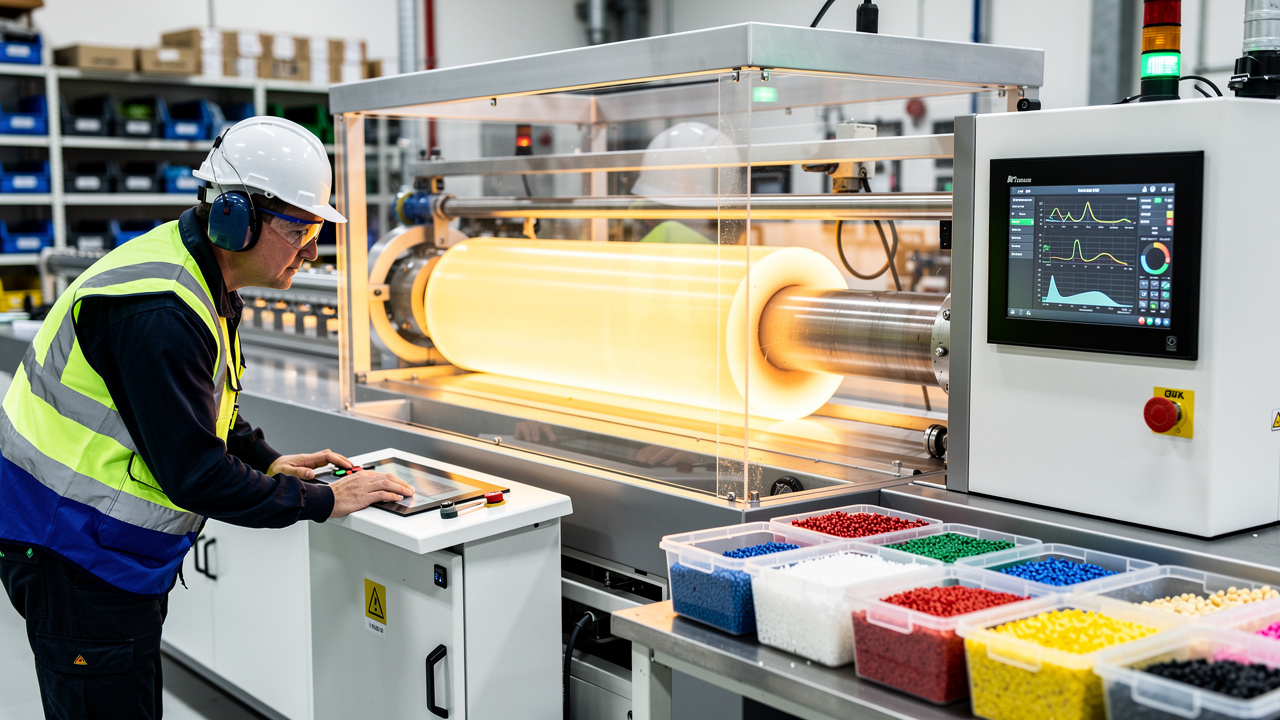
Understanding the intricacies of the extruded plastic process is essential for achieving high-quality results in manufacturing. This vital technique involves melting plastic and forcing it through a die to create continuous profiles. A comprehensive grasp of this process is crucial for efficient sourcing, as it directly impacts the design, material selection, and the overall quality of extruded plastic components. Lincoln Plastics, certified under ISO 9001:2015, emphasizes rigorous quality management plans, including dedicated quality books and in-process checks, ensuring that every item meets high standards of excellence.
The key steps involved are:
- Substance Preparation: Raw plastic materials, such as pellets or granules, are introduced into the extruder. The choice of extruded plastic as a material is vital; if you choose the wrong extruded plastic, you could face product failures that affect performance and increase costs. For instance, using high-performance polymers like PEEK can enhance durability in demanding applications.
- Melting and Mixing: The material is heated to a pliable state. Maintaining precise temperature control is essential to prevent degradation, which can compromise the integrity of the item. Recent advancements in automated monitoring systems have improved temperature regulation, ensuring consistent quality.
- Shaping: The molten plastic is forced through a die, shaping it into the desired profile. Lincoln Plastics provides custom flexible profiles and co-extrusion capabilities, enabling multi-color or multi-material profiles that can improve functionality and aesthetics. Examples include profiles with integrated color stripes or differing material properties tailored to specific applications. The die's design significantly influences the attributes of the final outcome, making it a critical factor in the production of extruded plastic. As noted by industry experts, the design of the die can influence not only the shape but also the performance metrics such as Cpk and Ppk, which are essential for assessing process capability.
- Cooling and Cutting: Once the material exits the die, it is cooled and cut to specified lengths. It's crucial to maintain strict tolerances during this phase to ensure your final product performs as expected. This directly impacts usability in applications such as center pivot irrigation systems.
By thoroughly grasping these steps, companies can effectively convey their needs to suppliers like Lincoln Plastics, ensuring the delivery of high-quality items made from extruded plastic that align with their specifications. Recent advancements in the extrusion process, such as enhanced temperature control and automated monitoring systems, further improve efficiency and quality. Failing to adopt these advancements could leave your company lagging in production efficiency and quality. Furthermore, case studies have demonstrated that companies adopting these advancements have experienced significant enhancements in production efficiency and reliability of their offerings. For tailored solutions, we invite you to contact Lincoln Plastics experts today. By leveraging the latest advancements in extrusion technology, you can ensure your products not only meet but exceed industry standards.

Choose Appropriate Materials for Extrusion
Selecting the right materials for extruded plastic is crucial for achieving superior product performance and reliability. Here are best practices for material selection:
- Understand the properties of extruded plastic by familiarizing yourself with the characteristics of common substances used in extrusion, such as PVC, polyethylene, and polypropylene. As an extruded plastic, PVC is highly versatile and cost-effective, available in both rigid and flexible grades, making it suitable for a variety of applications, including construction and industrial profiles. Polyethylene, an example of extruded plastic, offers flexibility and chemical resistance, and is often used for tubing and protective profiles. Extruded plastic made from polypropylene offers excellent fatigue resistance, making it perfect for durable applications.
- Consider environmental factors by evaluating how the extruded plastic product will be utilized. Factors such as exposure to chemicals, temperature extremes, and UV light can determine the selection of extruded plastic materials. For instance, outdoor profiles often necessitate UV-resistant materials like acrylic or specially formulated PVC, including extruded plastic, to ensure longevity and performance.
- Consult with Plastics Specialists: Consider reaching out to the Plastics team to discover the best materials for your unique needs. They can provide insights into the latest advancements and resource options, ensuring your design is optimized for manufacturing. Additionally, Lincoln Plastics adheres to a rigorous quality management program and is ISO 9001:2015 certified, underscoring their commitment to quality and excellence.
- Test for Performance: Whenever feasible, conduct performance tests on extruded plastic sample substances to ensure they meet your operational requirements. This step can prevent costly errors later in the production process, as understanding the traits of various substances, such as extruded plastic, enables manufacturers to choose the optimal options for their specific applications.
- Leverage Vendor Managed Inventory (VMI): By sharing your real-time inventory or weekly reports with the company, you can maintain optimal stock levels, adjusting for busy and slower seasons without the need for large warehousing.
By prioritizing material selection and expert collaboration, you can significantly enhance your operational success and the quality of extruded plastic. This strategic approach is particularly beneficial in industries such as agriculture, where the reliability of plastic components is essential for operational success.

Evaluate Supplier Reliability and Quality Control
In the competitive landscape of custom plastic extrusion, the reliability of your suppliers can make or break your success. When sourcing components made from extruded plastic, it is essential to assess supplier reliability and their control processes. Here are key considerations:
- Check Certifications: Prioritize suppliers with industry certifications such as ISO 9001, which demonstrate adherence to recognized management standards. This certification is crucial for ensuring consistent item standards and compliance with industry regulations.
- Review Track Record: Look into how well the supplier has delivered on time and maintained product quality in the past. Request references or case studies from previous clients to assess their reliability. For instance, producers with a proven history of meeting deadlines and upholding standards can significantly reduce operational risks.
- Evaluate Control Procedures: Inquire about the supplier's control processes. Effective measures for extruded plastic should include raw material inspections, in-process checks, and final product testing to ensure compliance with specifications. A robust management system can lead to lower defect rates and reduced waste, enhancing overall efficiency.
- Foster Communication: Establish open lines of communication with potential suppliers. A responsive supplier is more likely to address issues quickly and maintain standards. Regular communication can also promote better collaboration and faster resolution of any challenges that arise.
By prioritizing supplier evaluation, you not only safeguard your projects but also position your company for long-term success.

Leverage Customization for Enhanced Performance
Customization in extruded plastic is not just an option; it's a necessity for maximizing product performance and application suitability. To leverage customization effectively, consider these best practices:
- Identify Specific Needs: Clearly outline the requirements for your extruded components, including dimensions, tolerances, and performance characteristics. This clarity will guide the customization process.
- Collaborate with Suppliers: Engage closely with suppliers such as Plastics to explore customization options. Discuss potential modifications to existing profiles or the development of entirely new designs tailored to your specifications. Lincoln Plastics emphasizes a team-driven philosophy, ensuring that your needs are met through dedicated quality plans and rigorous quality management processes, including ISO 9001:2015 certification.
- Utilize Co-Extrusion Techniques: Implement co-extrusion to merge different materials, enhancing properties such as flexibility, strength, or insulation. This technique allows for the creation of multi-layered profiles that deliver unique benefits, such as improved durability and reduced production costs.
- Prototype and Test: Prior to full-scale production, prototype customized designs to assess their performance. How confident are you that your prototypes will meet all specifications? Our robust quality system includes critical in-process checks and run documentation to ensure success. Testing can reveal potential issues and enable modifications before completing the item.
When you effectively utilize customization, you can significantly enhance the functionality of your products made from extruded plastic, ensuring they meet your specific operational needs and boost overall efficiency. Incorporating statistics from industry studies shows that customized solutions can lead to a 20% increase in operational efficiency, making a compelling case for investing in tailored extrusion solutions. For more information or to discuss tailored solutions, contact Lincoln Plastics experts today.

Conclusion
Many companies face challenges in ensuring the quality of their extruded plastic components. Understanding the best practices for sourcing these components is crucial for achieving high-quality results in manufacturing. Focusing on these areas helps companies meet operational needs while enhancing product performance.
Key insights include the necessity of selecting the right materials based on their properties and environmental factors. Additionally, the critical role of supplier certifications like ISO 9001:2015 cannot be overlooked in maintaining quality standards. Leveraging customization through techniques such as co-extrusion can significantly improve product functionality and efficiency. Consider reaching out to the experts at Lincoln Plastics for tailored solutions that fit your specific needs, ensuring that your products not only comply with industry standards but excel in performance.
Ultimately, prioritizing these best practices in sourcing extruded plastic components can lead to improved operational success and product reliability. By embracing these strategies, businesses can not only safeguard their projects but also thrive in a competitive landscape.
Frequently Asked Questions
What is the plastic extrusion process?
The plastic extrusion process involves melting plastic and forcing it through a die to create continuous profiles. It is essential for achieving high-quality results in manufacturing.
Why is understanding the plastic extrusion process important?
A comprehensive grasp of the extrusion process is crucial for efficient sourcing, as it impacts design, material selection, and the overall quality of extruded plastic components.
What are the key steps in the plastic extrusion process?
The key steps include substance preparation, melting and mixing, shaping, cooling, and cutting.
What happens during substance preparation in the extrusion process?
Raw plastic materials, such as pellets or granules, are introduced into the extruder. Choosing the right material is vital to avoid product failures and increased costs.
How is the plastic melted and mixed in the extrusion process?
The material is heated to a pliable state, with precise temperature control being essential to prevent degradation that could compromise the item's integrity.
What role does shaping play in the extrusion process?
The molten plastic is forced through a die, shaping it into the desired profile. The die's design significantly influences the final product's attributes and performance metrics.
What co-extrusion capabilities does Lincoln Plastics offer?
Lincoln Plastics provides custom flexible profiles and co-extrusion capabilities, enabling the creation of multi-color or multi-material profiles that enhance functionality and aesthetics.
What occurs during the cooling and cutting phase of extrusion?
After exiting the die, the material is cooled and cut to specified lengths, with strict tolerances maintained to ensure the final product performs as expected.
How does Lincoln Plastics ensure quality in the extrusion process?
Lincoln Plastics is certified under ISO 9001:2015 and emphasizes rigorous quality management plans, including dedicated quality books and in-process checks.
What advancements have been made in the extrusion process?
Recent advancements include enhanced temperature control and automated monitoring systems, which improve efficiency and quality in production.
How can companies benefit from understanding the extrusion process?
By understanding the process, companies can effectively communicate their needs to suppliers like Lincoln Plastics, ensuring high-quality items that meet their specifications.
How can I get tailored solutions from Lincoln Plastics?
For tailored solutions, you can contact Lincoln Plastics experts to leverage the latest advancements in extrusion technology and ensure your products exceed industry standards.
List of Sources
- Understand the Plastic Extrusion Process
- 4 Best Practices for Sourcing Extruders Plastic Effectively (https://lincoln-plastics.com/news-post/4-best-practices-for-sourcing-extruders-plastic-effectively?dcc2137a_page=3)
- Plastics Extrusion: 4 Critical Statistics to Track for Increased Quality & Plant Profit (https://gaugeadvisor.com/plastics-extrusion-4-critical-statistics-to-track-for-increased-quality-plant-profit)
- Shaping the Future: Innovations in Plastic Extrusion Techniques - SeaGate Plastics Company (https://seagateplastics.com/shaping-the-future-innovations-in-plastic-extrusion-techniques)
- The Extrusion Industry in 2026-2027: Innovations, Trends, and Opportunities (https://plextrusions.com/extrusion-blog/the-extrusion-industry-in-2026-2027-innovations-trends-and-opportunities)
- Choose Appropriate Materials for Extrusion
- Extrusion 2026 Registration Opens (https://ptonline.com/news/extrusion-2026-registration-opens)
- Types of Plastic Extrusion Materials (https://paulmurphyplastics.com/industry-news-blog/types-of-plastic-extrusion-materials)
- 10 new extrusion technologies reshaping plastics processing in 2026 (https://plasticsmachinerymanufacturing.com/extrusion/article/55395844/10-new-extrusion-technologies-reshaping-plastics-processing-in-2026)
- A Guide to Material Selection for Extrusion | Inplex LLC (https://inplexllc.com/blog/a-guide-to-material-selection-for-extrusion)
- Plastic Extrusion Machine Manufacturers Guide 2026 | JWELL (https://jwell.co/industry-news/top-plastic-extrusion-machine-manufacturers)
- Evaluate Supplier Reliability and Quality Control
- Quality Certifications for Injection Molders - FORGE (https://forgeimpact.org/understanding-quality-certifications-for-injection-molders)
- Best Practices for Sourcing Reliable Extrusion Products (https://lincoln-plastics.com/news-post/best-practices-for-sourcing-reliable-extrusion-products)
- Why Manufacturers Are Regionalizing Plastic Supply Chains in 2026 - Sterling Plastics (https://sterlingplasticsinc.com/insights/why-manufacturers-are-regionalizing-plastic-supply-chains-in-2026)
- Our ISO Certifications | The Plastek Group (https://plastekgroup.com/blog/iso-certifications-plastics-manufacturing)
- What Is ISO 9001 Injection Molding and Why Does It Matter? | American Plastics (https://americanplasticsco.com/what-is-iso-9001-injection-molding-and-why-does-it-matter)
- Leverage Customization for Enhanced Performance
- 10 Innovative Applications of Co-Extruded Plastics for OEMs (https://lincoln-plastics.com/news-post/10-innovative-applications-of-co-extruded-plastics-for-oe-ms?dcc2137a_page=13)
- Shaping the Future: Innovations in Plastic Extrusion Techniques - SeaGate Plastics Company (https://seagateplastics.com/shaping-the-future-innovations-in-plastic-extrusion-techniques)
- The Co-Extrusion Process: A Complete Guide (https://lakelandplastics.com/what-is-the-co-extrusion-process-for-plastic)
- How Co-Extrusion Enhances the Performance of PVC Profiles (https://omegaplastics.com/how-co-extrusion-enhances-the-performance-of-pvc-profiles)
- Industry News (https://paulmurphyplastics.com/industry-news-blog)
Related posts

Why Custom Pipe Extrusion Matters More Than Ever
Standard pipe sizes don’t always work. Learn how Lincoln Plastics delivers custom diameters, wall thicknesses, and finishes in right-sized runs.


Reducing Trip Hazards with Custom Cord Management
Loose cords are more than messy — they’re a safety hazard. Lincoln Plastics’ custom cord covers and Flexiduct solutions improve safety and efficiency.
The Power of Custom Plastic Profiles for OEMs
Off-the-shelf profiles force compromises. Learn how Lincoln Plastics designs custom extruded profiles for OEMs with exact specs and right-sized runs.
