
4 Best Practices in Plastics Chemistry for Sustainable Manufacturing
Introduction
For manufacturers, mastering sustainable plastics chemistry is essential to reducing ecological impact and meeting market demands. Let’s explore four best practices that enhance sustainability in plastics manufacturing while boosting operational efficiency and product quality.
Manufacturers often struggle to implement sustainable practices effectively. What innovative strategies will you adopt to overcome these challenges and lead the charge toward a sustainable future in plastics?
Understand Sustainable Plastics Chemistry Principles
Plastics chemistry is not just a trend; it’s a necessity for reducing ecological impacts throughout a product's lifecycle. Key principles include:
- Life Cycle Assessment (LCA): This method evaluates the environmental impacts associated with all stages of a product's life, from raw material extraction to disposal. Recent reports indicate that LCA is increasingly used to influence policy decisions regarding single-use plastics. Effective LCA can guide manufacturers in making informed choices that align with sustainability goals, as emphasized by the OECD.
- Biodegradability: Highlighting substances that can naturally decompose lessens long-term waste and ecological impact. Innovations in bio-based and biodegradable substances are gaining traction, offering promising alternatives to conventional plastics. For instance, advancements in bioplastics production demonstrate the potential of these substances in minimizing environmental impact.
- Recyclability: Designing products for easy recycling encourages a circular economy, where resources are reused rather than thrown away. While mechanical recycling remains the most common method today, manufacturers often struggle with the complexities of chemical identification during recycling, which can hinder effective processes. The OECD report highlights the importance of establishing robust chemical traceability systems to enhance recycling rates.
- Use of Renewable Resources: Incorporating bio-based materials reduces reliance on fossil fuels, aligning with sustainability goals. The creation of sustainable plastics from renewable resources through plastics chemistry is essential for minimizing the ecological impact of plastic production. Expert insights, like those from Eeva Leinala, emphasize the importance of considering chemical selections early in the design process to reduce health and ecological impacts.
Manufacturers can make informed choices by understanding and applying these principles. This alignment with environmental goals leads to more responsible production methods and enhances product performance. It's also crucial to recognize common pitfalls. Overlooking chemical traceability and the challenges of implementing sustainable practices can undermine efforts. Recognizing and addressing these challenges is crucial for manufacturers aiming to enhance both sustainability and operational efficiency.

Implement Efficient Manufacturing Techniques for Plastics
To enhance sustainability in plastic manufacturing, companies must adopt innovative and efficient techniques that not only improve productivity but also reduce environmental impact:
- Lean Manufacturing: Embrace lean principles to minimize waste and maximize productivity. This approach streamlines processes and reduces excess inventory. Companies that adopt lean practices often see significant improvements in overall equipment effectiveness (OEE), essential for maximizing efficiency and minimizing idle time. For instance, a study showed that manufacturers implementing lean methodologies reported OEE improvements of up to 30%, demonstrating the tangible benefits of this approach.
- Energy Efficiency: Invest in energy-efficient machinery and practices. Employing insulated mold heaters and fine-tuning machine settings can significantly decrease energy usage, leading to reduced operational expenses and a smaller ecological footprint. According to recent data, companies that upgraded to energy-efficient systems reduced their energy costs by an average of 20%, showcasing the financial and environmental advantages of such investments.
- Scheduled Maintenance: Regular maintenance of equipment is vital for preventing breakdowns and inefficiencies. Predictive maintenance programs help ensure smooth and sustainable production. This approach avoids unexpected downtime and boosts overall productivity. A case study from a prominent manufacturer revealed that predictive maintenance reduced equipment failures by 40%, significantly enhancing production reliability.
- Automation: Where feasible, integrate automation into production processes. This not only reduces labor costs but also improves precision, leading to less waste and higher quality outputs. Automation technologies, including advanced robotics and data analytics, are revolutionizing manufacturing by optimizing resource usage and energy consumption. For instance, a recent deployment of robotic systems in a polymer extrusion facility led to a 25% decrease in waste, emphasizing the efficiency of automation in reaching environmental objectives.
Focusing on these methods allows manufacturers to significantly reduce their environmental footprint while maintaining high-quality production standards. This aligns with the growing market demand for sustainability in the materials industry. However, it's crucial to recognize potential pitfalls, such as inadequate training for staff on new technologies or failure to monitor the effectiveness of implemented practices, which can hinder the success of these initiatives. Recognizing and addressing these challenges is essential for manufacturers aiming to thrive in a sustainability-focused market.

Select Eco-Friendly Materials for Production
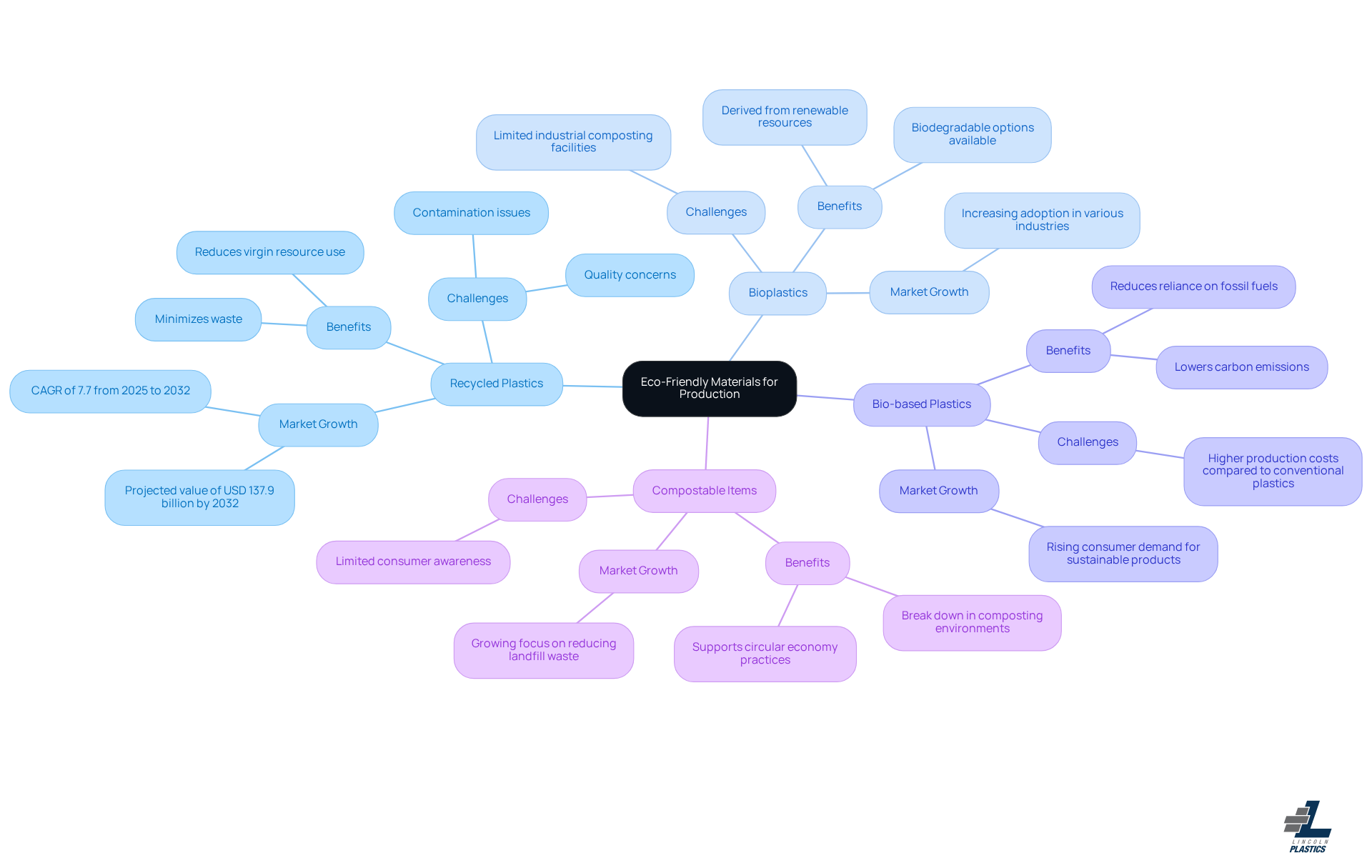
Selecting the right materials is crucial for advancing sustainable polymer production and meeting the demands of eco-conscious consumers. Here are some eco-friendly options to consider:
- Recycled Plastics: Incorporating recycled materials reduces the need for virgin resources and minimizes waste. Search for vendors that offer high-quality recycled resins, as the market for recycled materials is expected to expand considerably, with a projected value of USD 137.9 billion by 2032. This growth reflects the increasing integration of sustainable practices in manufacturing.
- Bioplastics: Materials such as polylactic acid (PLA) and polyhydroxyalkanoates (PHA) are derived from renewable resources and can be biodegradable, offering a sustainable alternative to traditional plastics. Their adoption is growing as industries look for ways to reduce their environmental footprint.
- Bio-based Plastics: These are made from renewable biomass sources, reducing reliance on fossil fuels and lowering carbon emissions during production. The shift towards bio-based options is supported by rising consumer demand for sustainable products.
- Compostable Items: Opting for materials that break down in composting environments helps cut down on landfill waste. This choice aligns with the growing focus on circular economy practices, where waste is minimized, and resources are reused.
By prioritizing these resources, manufacturers can improve the sustainability of their products and attract environmentally conscious consumers. However, challenges such as contamination in recycled materials can compromise quality and usability. By addressing these challenges, manufacturers not only enhance product sustainability but also position themselves as leaders in the evolving market for eco-friendly solutions.
Embrace Innovation for Sustainable Practices
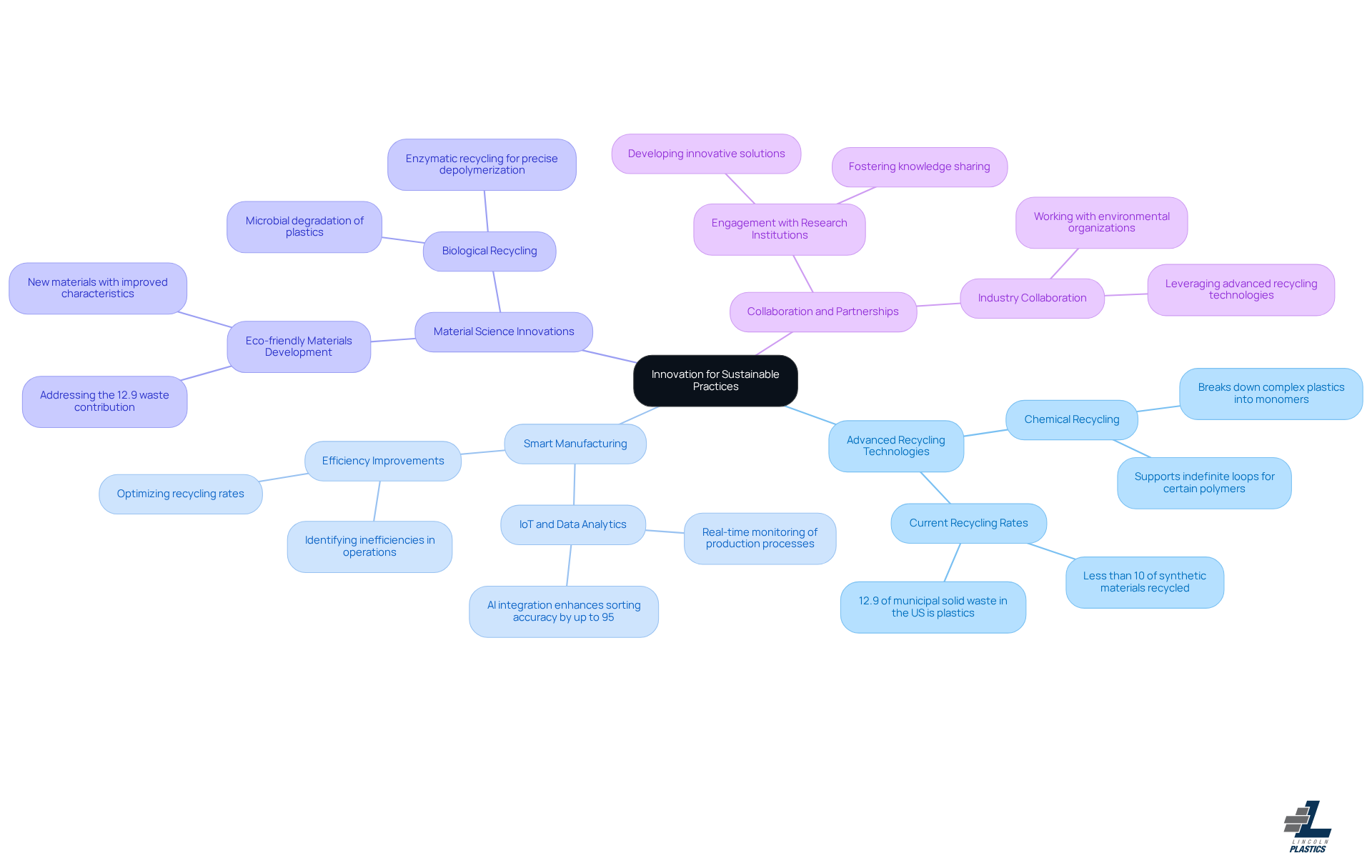
Innovation in plastics chemistry is not just beneficial; it's essential for achieving sustainability in polymer manufacturing. Key areas to explore include:
- Advanced Recycling Technologies: Investing in cutting-edge technologies, such as chemical recycling, allows for the breakdown of complex plastics into their original monomers. This facilitates reuse and reduces waste. With recycling rates stagnating, how can we turn the tide? Currently, less than 10% of synthetic materials are recycled, highlighting the urgent need for advancements in this area.
- Smart Manufacturing: By implementing IoT and data analytics, manufacturers can monitor production processes in real-time. This helps identify inefficiencies and optimize operations. For instance, the integration of AI in sorting systems can enhance separation accuracy and throughput by up to 95%, significantly improving recycling rates.
- Material Science Innovations: Keeping up with progress in plastics chemistry can lead to the creation of new, eco-friendly materials with improved characteristics. This is vital as synthetic materials represent approximately 12.9% of all municipal solid waste in the US. This calls for immediate action and innovative strategies to reduce waste.
- Collaboration and Partnerships: Engaging with other companies, research institutions, and environmental organizations fosters knowledge sharing and the development of innovative solutions. As Ross Eisenberg, president of America’s Plastic Makers, emphasizes, "These advanced recycling technologies convert used materials into valuable feedstocks to make new products. How can we leverage this potential instead of resorting to energy combustion or landfilling?"
By embracing these innovations, manufacturers can enhance their sustainability practices and establish themselves as pioneers in a rapidly changing industry, particularly in the Midwest where collaboration and innovation are essential for addressing local challenges.
Conclusion
Manufacturers today face the pressing challenge of integrating sustainable practices into their operations. Understanding and implementing sustainable practices in plastics chemistry is crucial for reducing ecological footprints while meeting the demands of a conscious market. By focusing on principles such as life cycle assessment, biodegradability, recyclability, and the use of renewable resources, companies can align their production methods with sustainability goals. This commitment boosts product performance and shows consumers that manufacturers care about responsible practices.
Key strategies discussed include adopting efficient manufacturing techniques like lean manufacturing, energy efficiency, scheduled maintenance, and automation. These approaches not only improve productivity but also significantly reduce environmental impacts. Additionally, selecting eco-friendly materials such as recycled plastics, bioplastics, and compostable items is essential for advancing sustainable polymer production. Embracing innovation through advanced recycling technologies and smart manufacturing further positions manufacturers as leaders in sustainability.
However, many manufacturers struggle to balance sustainability with production efficiency. As the industry evolves, the importance of these practices cannot be overstated. Manufacturers are encouraged to take proactive steps towards sustainability, not only to comply with regulatory demands but also to meet the expectations of eco-conscious consumers. Without expert guidance, companies risk falling behind in the competitive market. Engaging with experts, such as those at Lincoln Plastics, can provide tailored solutions and insights into implementing these best practices effectively. By embracing sustainability, manufacturers not only protect the environment but also secure their future in a rapidly evolving market.
Frequently Asked Questions
What is the significance of plastics chemistry in sustainability?
Plastics chemistry is essential for reducing ecological impacts throughout a product's lifecycle, guiding manufacturers in making informed choices that align with sustainability goals.
What is Life Cycle Assessment (LCA)?
LCA evaluates the environmental impacts associated with all stages of a product's life, from raw material extraction to disposal, and is increasingly used to influence policy decisions regarding single-use plastics.
How does biodegradability contribute to sustainability?
Biodegradability highlights substances that can naturally decompose, reducing long-term waste and ecological impact, with innovations in bio-based and biodegradable substances offering promising alternatives to conventional plastics.
Why is recyclability important in sustainable plastics?
Designing products for easy recycling encourages a circular economy, allowing resources to be reused rather than discarded. However, challenges in chemical identification during recycling can hinder effective processes.
What role do renewable resources play in sustainable plastics?
Incorporating bio-based materials reduces reliance on fossil fuels and is essential for minimizing the ecological impact of plastic production, aligning with sustainability goals.
What common pitfalls should manufacturers be aware of in sustainable practices?
Manufacturers should recognize the importance of chemical traceability and the challenges of implementing sustainable practices, as overlooking these can undermine sustainability efforts.
How can manufacturers enhance both sustainability and operational efficiency?
By understanding and applying principles of sustainable plastics chemistry, manufacturers can align with environmental goals, leading to responsible production methods and improved product performance.
List of Sources
- Understand Sustainable Plastics Chemistry Principles
- 2026 agenda: Sustainability, safety, and workforce investment remain top priorities (https://plasticsnews.com/opinion/viewpoint/pn-safety-sustainability-top-2026-editorial-agenda)
- Plastics: Can Life Cycle Assessment Rise to the Challenge? - Eunomia (https://eunomia.eco/reports/plastics-can-life-cycle-assessment-rise-to-the-challenge)
- Plastics: It’s a chemical safety matter (https://oecd.org/en/blogs/2026/05/plastics-it-is-a-chemical-safety-matter.html)
- Sustainable Plastics USA 2026 | Register Now (https://sustainable-plastics-conference.com)
- White House Announces New Strategy on Plastics Pollution | Insights | Holland & Knight (https://hklaw.com/en/insights/publications/2024/07/white-house-announces-new-strategy-on-plastics-pollution)
- Implement Efficient Manufacturing Techniques for Plastics
- Combining Lean Thinking and LCA for Sustainable Manufacturing (https://plasticsengineering.org/2024/07/combining-lean-thinking-and-lca-for-sustainable-manufacturing-005599)
- Lean Management in Chemicals and Plastics | KAIZEN™️ Article (https://kaizen.com/insights/lean-management-chemicals-plastics)
- Get Efficiency With Lean Manufacturing in Plastics | Baytech (https://baytechplastics.com/blog/scalability-savings/lean-plastic-manufacturing)
- Expert Methods for Increasing Efficiency in Plastic Manufacturing Processes - Heavy Gauge Thermoforming and Extrusion - Allied Plastics (https://alliedplastics.com/blog/expert-methods-for-increasing-efficiency-in-plastic-manufacturing-processes)
- Five Sustainability Trends Reshaping Plastic in 2026 (https://plasticsindustry.org/articles/five-sustainability-trends-reshaping-plastic-in-2026)
- Select Eco-Friendly Materials for Production
- Interplas Insights | Plastics Sustainability & Sustainable Plastics News (https://interplasinsights.com/plastics-environment-news/plastics-and-sustainability-news)
- Recycled Plastics Market (https://market.us/report/recycled-plastics-market)
- Post-consumer Recycled Plastics Market Report 2024-2029 [391 Pages & 424 Tables] (https://marketsandmarkets.com/Market-Reports/post-consumer-recycled-plastic-market-222347130.html)
- Recycled Plastics Market Size, Share, & Growth Analysis (https://stratviewresearch.com/market-reports/recycled-plastics-market?srsltid=AfmBOoonPHy8EYPusVLB5F35oOMCNTCpBIbsqxsX2FZP3bI8ft4pC-yB)
- Why sustainable alternatives to plastic are struggling to compete (https://news.un.org/en/story/2026/06/1167670)
- Embrace Innovation for Sustainable Practices
- Advanced recycling technology | ExxonMobil (https://corporate.exxonmobil.com/what-we-do/materials-for-modern-living/advanced-recycling-technology)
- Advanced technologies for plastic waste recycling: examine recent developments in plastic waste recycling technologies - PMC (https://pmc.ncbi.nlm.nih.gov/articles/PMC12550887)
- Indonesia Embarks on Smart Manufacturing for Sustainable Plastics Production - Plastics Hotline (https://plasticshotline.com/news/indonesia-embarks-on-smart-manufacturing-for-sustainable-plastics-production)
- America’s Plastic Makers Applaud EPA’s Action on Advanced Recycling - American Chemistry Council (https://americanchemistry.com/chemistry-in-america-industry-innovation-impact/news-trends/press-release/2026/america-s-plastic-makers-applaud-epa-s-action-on-advanced-recycling)
Related posts

Why Custom Pipe Extrusion Matters More Than Ever
Standard pipe sizes don’t always work. Learn how Lincoln Plastics delivers custom diameters, wall thicknesses, and finishes in right-sized runs.


Reducing Trip Hazards with Custom Cord Management
Loose cords are more than messy — they’re a safety hazard. Lincoln Plastics’ custom cord covers and Flexiduct solutions improve safety and efficiency.
The Power of Custom Plastic Profiles for OEMs
Off-the-shelf profiles force compromises. Learn how Lincoln Plastics designs custom extruded profiles for OEMs with exact specs and right-sized runs.
